One workspace for discovery, before the tool sprawl sets in
A preclinical team assembles its stack by accident: whatever the first three hires brought with them. Conspecta puts imaging, flow, molecular biology, samples, and figures in one project, priced for a team your size.
The discovery bench, without the IT project
Notebook
A notebook connected to the imaging, flow, samples, and figures in the same project, so the entry points at the data rather than describing it. The molecular biology and the instrument data sit under one subscription, priced for the team rather than per hire.
Imaging
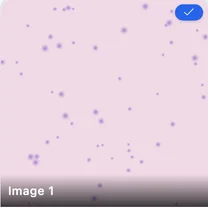
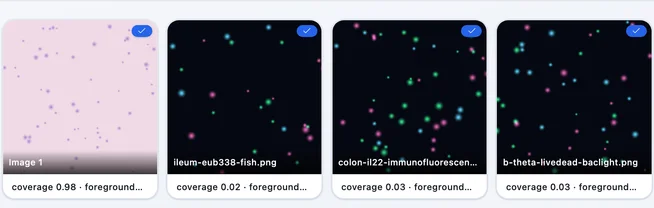
Cell detection, area, and intensity measurement in the browser on LIF, TIFF, and PNG, z-stacks included, with every result attached to the sample it was measured from. The analysis is saved with the study, so re-running it a year later takes a browser rather than a particular workstation.
Flow
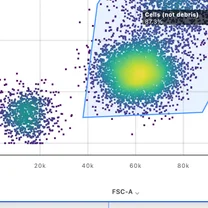
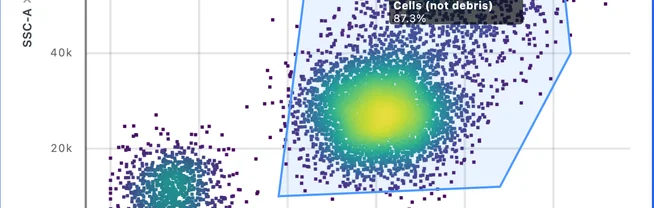
Gating, compensation, and clustering in the browser, with the strategy saved as a template the whole team runs, shared as a team standard rather than passed around as files.
Samples
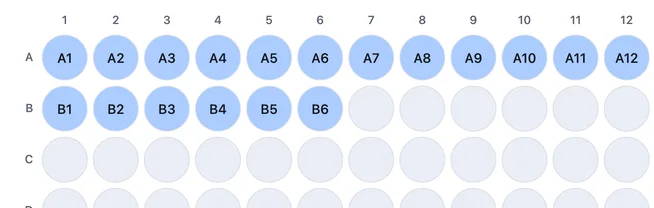
Samples, cell lines, freezer locations, reagents, and orders tracked as research context rather than as a compliance record. It comes with the plan, so a discovery team gets the structure a spreadsheet runs out of by month six with no procurement cycle to get started.
Sequences
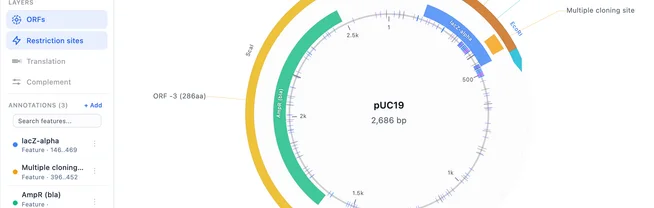
BLAST, CRISPR design, cloning, primer design, and alignment in the same project as the samples and the results those constructs produced, so tracing a result back to the exact plasmid is a click on the sample.
Figures
Figures assembled from the images, flow plots, and tables they came from, so a slide that went to the board a quarter ago still traces back to the data behind it.
Diligence
Every result stays linked to the sample, the analysis, and the person who ran it, dated and attributable. A partner asking how a result was produced is answered by opening the result.
Questions a biotech startup asks
How is Conspecta priced for a small team?
Start on the free plan and evaluate it with your own images and FCS files, at two people. Commercial teams are quoted per seat, and the quote settles seats, storage, and the monthly usage allowance together. SSO, security review support, contract terms, and data migration are priced on top of the seat rate, so the number reflects what your rollout actually needs.
What happens as we hire?
A subscription belongs to a team, and every project inside it draws on the same seats and the same monthly usage allowance, so adding a project never changes what you pay. Seats are held from the moment an invitation goes out, and the owner can see how many are in use before inviting anyone. When a line of work needs its own billing or its own data boundary, it gets its own team.
Can we get our data out whenever we want?
Yes, and exports are free and never count toward your usage. Samples, cell lines, inventory, tables, and analysis results come out as Excel, notebook pages as PDFs, constructs as GenBank, images at full resolution, gated populations as FCS files, and figures as PNG or SVG. The full project export adds what makes the science reviewable: every sign-off with what was signed and when, and the provenance links between records. Your IP is yours.
Is Conspecta a LIMS?
Yes, for research. Samples carry structured metadata and a storage location down to the position in the box, inventory, orders, and suppliers sit beside them, instruments are booked and their usage reported, and every image, run, and result stays attached to the material it came from. Regulated compliance is the part that is quoted rather than bought online: Part 11 electronic records, validated repetitive workflows, and the validation documentation and support around them are scoped as a Business plan.
Do you support SSO and centralized admin?
SSO is quoted as part of a Business plan rather than switched on from a self-serve plan, along with security review questionnaires, custom contract terms, and dedicated onboarding. If a security review or an investor's diligence needs single sign-on before you can adopt a tool, raise it in the first conversation so it lands in the quote.
Try it before the procurement call
Start free with your own data today, then add the team once the platform has earned it. Nothing to install, no pilot to schedule.