Freezer maps and specimen lineage for research collections
Freezer inventory, structured metadata, and sample lineage for a lab or institute collection, with the analysis those specimens feed sitting in the same project. Every vial shows what it came from, where it is right now, and what it produced.
Every specimen, and what came of it
Catalog
One structured record per specimen, with typed metadata fields the whole collection shares. Everyone reads and edits that one record, so the version someone updated this morning is the version the next person opens.
Location
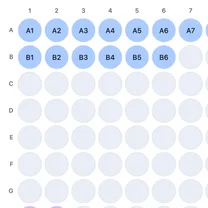
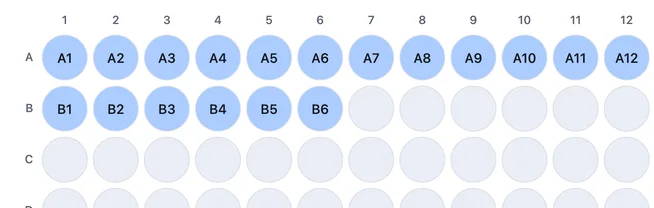
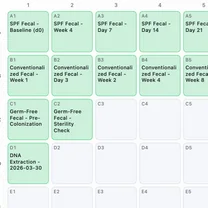
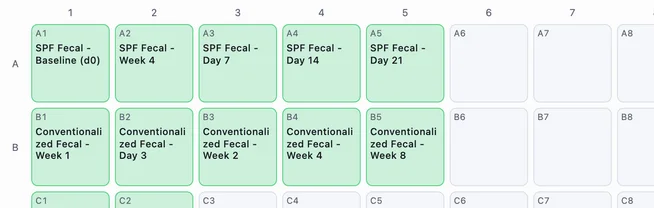
Locations modeled as they really are: facility, freezer, shelf, box, and position, with the storage conditions each location holds. Move a tube between cells and its record moves with it, so the map and the freezer stay in step.
Provenance
Parent, aliquot, passage, and derivative are recorded on the specimen itself, so an aliquot knows what it came from and what was made from it. Lineage is read straight off the record, at any depth and years later.
History
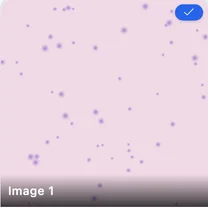
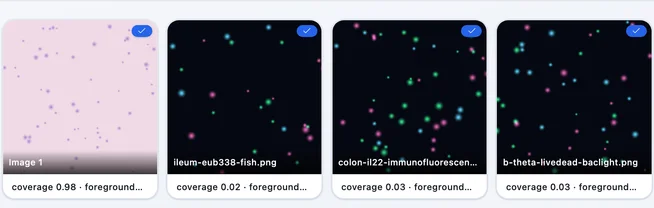
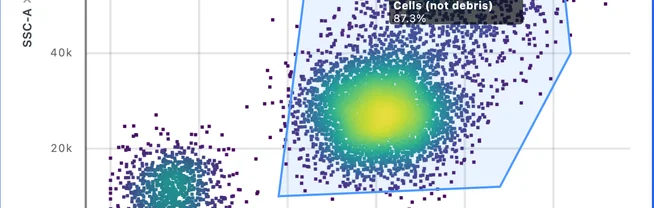
Images, flow data, and the results run on them attach to the specimen they came from. A vial's record shows that the tissue in it was thawed and imaged last spring, and what the imaging found.
Distribution
Search across the collection, pick the specimens the request needs, and take that selection out as CSV. The record of what left is the same record the lab works from, so there is nothing to reconcile afterward.
Questions biobanks ask
Is Conspecta a biobank LIMS?
Yes, for research specimen collections: structured records, freezer locations down to the box position, parents and derivatives, and the results a specimen produced. Consent tracking, chain-of-custody attestation, and accreditation support are outside the standard service, and our standard terms exclude protected health information. A collection holding patient material or working under an accreditation is a Business conversation, so talk to us before anything covered moves in.
How does location tracking work?
Storage is modeled the way a freezer really is: room, freezer, shelf, box, and position, with the conditions each location holds. A box opens as a grid laid out like the box in front of you, so a full cell looks full and a free one looks free, and you drag a tube between cells to move it. When a specimen moves, its record moves with it. A lab already keeping this in a spreadsheet imports the whole list as CSV or TSV, with every column shown against the field it matched before a single location is created.
Do you support barcode labels and scanners?
Yes. Print sheets of QR labels on Avery 5160, 5167, L7160, or an 89 by 28 mm roll, choosing how many copies of each and which position on the sheet to start at. With a handheld scanner, scanning a label anywhere in the app opens that specimen, item, or location, and on a phone the camera does the same. Scan items in on a location starts a session that drops each code you scan into the next free cell in the box. Automated freezer robotics is outside what Conspecta does.
Does the record show what a specimen was used for?
Yes. Images, flow data, and the results run on them attach to the specimen they came from, so a vial's record shows that it was thawed, imaged, and measured, and the figure that came out points back to the vial behind it. Specimens link to their parents and derivatives too, so an aliquot carries what it came from and what was made from it. Connections draws that whole trail as a map you can click through.
How much does it cost?
Conspecta is free for you and one collaborator, with no credit card. Academic teams pay one flat rate for the lab, sized by seats and storage rather than by how many specimens the collection holds. Every plan includes every workspace, so the catalog, the freezer map, and the imaging and flow run on those specimens all come in the same subscription.
Import one freezer
Bring the spreadsheet in, put the specimens where they really are, and keep what came of them in the same place.