Imaging and flow studies, from intake to client deliverable
A CRO lives on turnaround and on trust. Conspecta keeps every client's work in its own project, runs the analysis in the browser, and builds the deliverable from the data rather than reassembling it by hand.
From intake to deliverable
Isolation
Each study is its own project with its own membership, enforced at the database level. Analysts see the studies they're staffed on, and nothing else.
Imaging
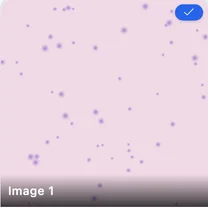
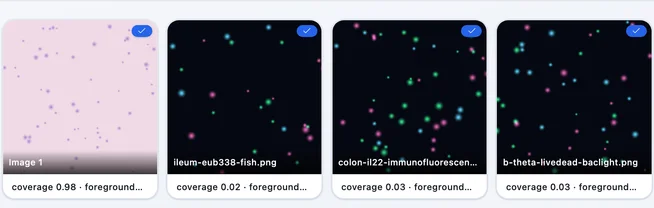
Cell detection, area, intensity, and colocalization in the browser, z-stacks included, saved against the study's samples. A client question months later is answered by opening the study on whichever laptop is free, with the setup that produced the result still on it.
Flow
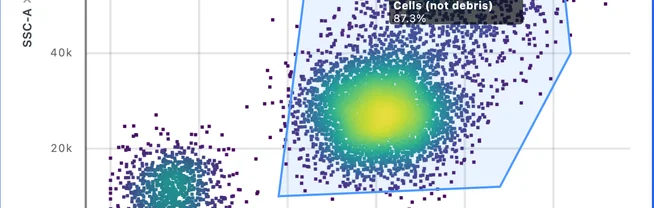
Gating and compensation in any browser, with the strategy saved as a template so a study is gated the same way by whoever picks it up. Staffing a study up for a busy month is a matter of adding people to the project, with nothing to install on their machines.
Protocols
Protocols are reusable and versioned, so a method is adapted per study without losing what the original said. The version a study actually ran stays part of that study's record, which is the answer to a method question raised a year later.
Deliverable
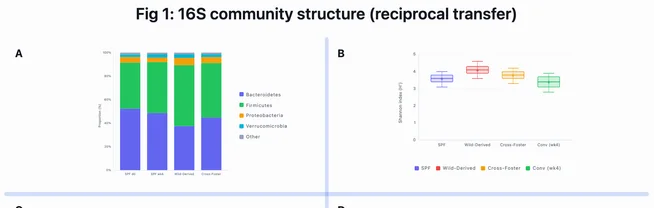
Charts and figures are built from the analysis, and results export as CSV, Excel, FCS 3.1, PNG, or SVG in whatever shape the client asked for. A revision request is a change to the analysis, and the deliverable follows it.
Questions CROs ask
How is one client's data kept separate from another's?
Each study is its own project with its own membership. An analyst sees the studies they are staffed on and nothing else, so the boundary is enforced by the platform. Your team's owners and admins can open every project, which is what lets you move a study to another analyst when staffing changes.
What does an analyst need installed to work on a study?
A browser. Imaging and flow analysis run on the analyst's own laptop, with no install and no admin rights, so staffing a study up for a busy month is a matter of adding people to the project. The analysis is saved against the study's samples, so whoever picks it up next opens the setup that produced the last result.
What can we hand a client at the end of a study?
Charts and figures built from the analysis itself, plus the numbers behind them as CSV or Excel, gated populations as FCS 3.1, and plots as PNG or SVG. A chart reads from the analysis it was built on, so a client revision is a change to the analysis and the figure follows it. The protocol version a study ran is part of the record too, so a method question months later has an answer.
Does Conspecta handle quoting, invoicing, or our client contacts?
Your clients and the conversations with them, yes. Contacts keeps the organizations you do work for and the people at them, with a dated log of every call, email, and meeting, and a follow-up date on a person files a Planner card for that day. Quoting and invoicing stay in the systems you run the business on. They meet Conspecta through the API, so a script can mirror a study's orders or push a finished run's numbers across rather than have someone retype them.
Connect your own systemsHow is Conspecta priced for a CRO?
Commercial teams are quoted per seat. A seat belongs to a person rather than to a workstation, so one covers an analyst across every study they are staffed on, and a month of extra headcount is a month of extra seats. Every plan includes every workspace.
Set up one client study
Keep it isolated, run the analysis where the data landed, and deliver from it instead of rebuilding the report.